9 tips to consider while buying a Laser Engraving Machine
Summary: Did you know the Global Laser Cutting Machines Market is expected to reach approximately $6.85 billion in 2025, growing at a robust CAGR as industries pivot toward high-precision automation? This makes the laser machine industry a massive one, in terms of market size as well as revenue, with the majority customer base being local factory owners, SMEs, and large organizations. The increase in produ
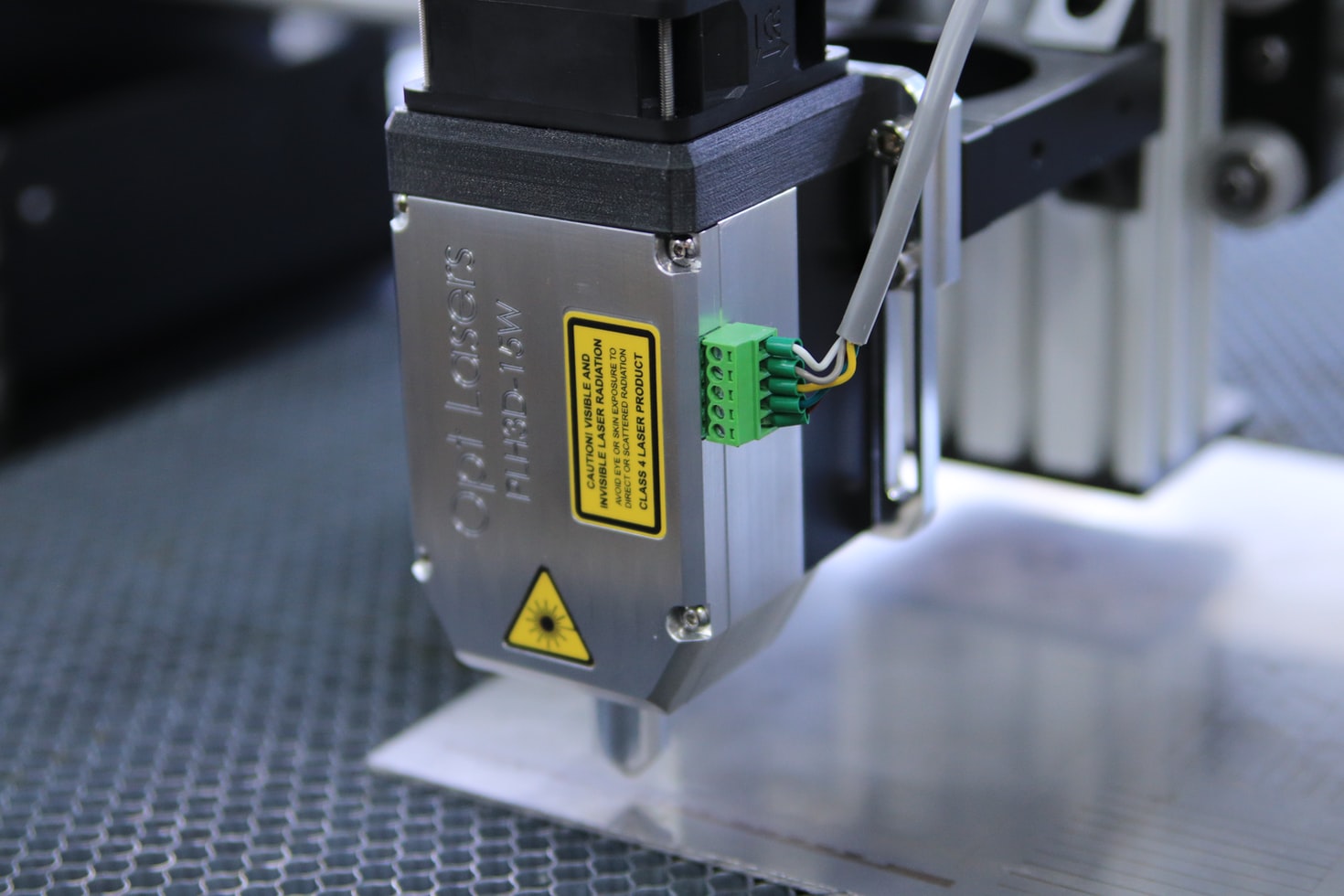
Did you know the Global Laser Cutting Machines Market is expected to reach approximately $6.85 billion in 2025, growing at a robust CAGR as industries pivot toward high-precision automation? This makes the laser machine industry a massive one, in terms of market size as well as revenue, with the majority customer base being local factory owners, SMEs, and large organizations.
The increase in production requirements in various industries and the need to reduce human involvement in improving metal processing quality drive the need for automation in manufacturing industries. These requirements are fulfilled by modern laser cutting and engraving machines.
With the increased demand and supply, it becomes extremely important to set a few guidelines in place when buying the perfect laser engraving machine. To make matters easy, we have curated a list of 9 tips everyone should consider before buying a laser engraving machine.
1. Buy from a well-established, reputable supplier
A laser engraving machine costs lakhs of rupees, sometimes even crores. So it is advised to buy from a well-established and reputed supplier. Before buying, ask the salesperson in detail about the product, how it functions, and especially their knowledge of applications.
If the salesperson does not understand your application, how can they recommend an appropriate system configuration? Remember that salespeople will try to sell you what they want to sell rather than what you should be buying. It is the customer’s duty to ensure they are buying from a trustworthy supplier.
2. Understand the warranty guidelines
Nothing lasts forever. Every machine will break down or have some defect at some point. When a failure occurs, you want to know how quickly it can be fixed and what the overall cost will be. Look carefully at the small print of system warranties and the support resources of the supplier. If possible, talk to a support technician to get a realistic view of the product's maintenance needs.
3. Precision and accuracy shouldn't be compromised
In the laser industry, precision and accuracy are critical parameters. Several factors influence the accuracy of the machine:
- Generally, square devices are more accurate than compass types.
- The higher the spindle power of a device, the more accurate it tends to become.
- The proficiency and technique used during assembly determine its long-term accuracy. A well-assembled machine maintains a higher level of precision over time.
4. The machine shouldn’t be too expensive
Your budget determines the type of machine you can buy. While price shouldn't dictate quality, your budget is a major decision-making factor. If you want a device that can engrave on a wide variety of materials, expect a higher initial investment. Cheaper options may consume more energy or require frequent repairs, making them more expensive in the long run.
5. Focus on the core applications
Many modern machines offer dual capabilities, such as laser engraving and laser cutting. However, an all-rounder is often a compromised machine. Just because it can do both doesn't mean it does both equally well. Machines designed for a specific purpose will always perform the core application better; a dedicated laser cutter will typically outperform a hybrid machine in cutting depth and speed.
6. Availability of replacement parts
The laser machine industry is a niche market, and sourcing replacement parts can sometimes be difficult. No matter how careful you are, parts will eventually need replacement. Ensure that the supplier has a robust supply chain for spare parts so you aren't left waiting for months while your production line sits idle.
7. High power output for dense materials
The power output determines the density of materials the machine can handle. A machine with higher cutting power is capable of processing much denser materials than a lower-powered alternative. Always pick a machine that matches the maximum density of the materials you intend to process.
8. Keep the bed size in mind
Bed size refers to the X-Y dimensions of the stage. This factor is influenced by the size of the materials you work with. For example, the acrylic industry usually requires a larger work area (e.g., 900 x 1300 mm) to handle large sheets. Ensure the bed size matches your largest expected workpiece to avoid having to pre-cut materials manually.
9. Ensure built-in cooling and ventilation
Laser engraving machines generate significant heat through electrical current and friction. It is vital to buy a machine with an appropriate integrated cooling system. Without effective heat management, the machine's lifespan decreases, and the working environment can become uncomfortable or unsafe.
Conclusion
Laser Technologies is a pioneer in the laser community, making laser cutting and engraving machines accessible to everyone. We hope these tips help you navigate the market and find the perfect laser engraving machine for your specific needs.
Tags: Cutting, Automation, Buying guide, Marking