Fiber Laser Cutting Machine: A Ultimate Guide
Summary: In today’s industrial landscape, fiber laser machines have become popular due to their high precision cutting capabilities and efficiency. The growing demand for high-quality, intricate metal cutting has led to the widespread use of fiber laser cutting machines. This process involves a high-powered laser beam that is generated and focused through fiber optics onto the material to be cut. These adv
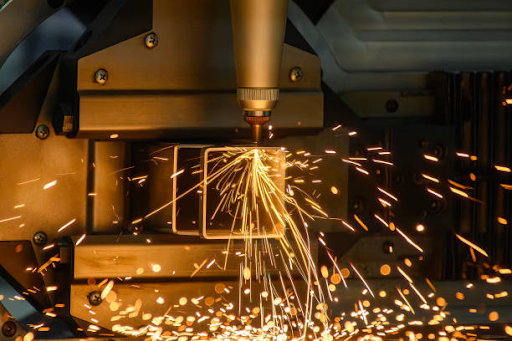
In today’s industrial landscape, fiber laser machines have become popular due to their high precision cutting capabilities and efficiency. The growing demand for high-quality, intricate metal cutting has led to the widespread use of fiber laser cutting machines. This process involves a high-powered laser beam that is generated and focused through fiber optics onto the material to be cut. These advanced machines have revolutionized manufacturing, offering better speed and accuracy.
What is Fiber Laser Cutting?
Fiber laser cutting is a process where a high-powered laser beam is directed onto a metal surface to make precise cuts. How does a fiber laser work? The laser is generated through fiber optic cables, making it much more efficient and powerful than traditional CO2 laser-cutting machines. Fiber laser cutters use a solid-state medium (fiber optic cables) to generate light, which is then amplified and focused onto the material. The material absorbs this laser energy, which causes it to heat up and vaporize, producing an accurate cut. The primary benefit of fiber lasers lies in their ability to deliver extremely fine, clean cuts at high speeds.
A fiber laser cutting machine is a type of CNC (Computer Numerical Control) machine that uses fiber-optic technology to create a focused beam of light. This beam is directed onto the surface of a material, typically metal, to cut through it. The laser's high intensity heats the material to a molten or vaporized state, which is then blown away by a gas stream, leaving a clean, precise cut.
What is the History of Fiber Lasers?
Here is a quick overview of the history of fiber lasers:
1. The 1960s - Inception of Lasers: The concept of lasers was first brought in the 1960s, with the first working laser illustrated by Theodore Maiman. A solid crystal was used as a gain medium by this laser.
2. The 1970s - Introduction of Optical Fibers: The evolution of optical fibers achieved momentum in the 1970s. Optical fibers are defined as thin strands of glass or plastic that have the ability to transmit light signals over long distances with minimal failure. This laid the foundation for the future expansion of fiber lasers.
3. 1980s - Emergence of Fiber Lasers: In the 1980s, initial research and developments were made about fiber lasers and researchers started to explore the possibility of utilizing optical fibers as the gain medium. In 1987, Elias Snitzer brought up the concept of a "fiber laser amplifier," which further laid the foundation for the development of fiber lasers.
4. The 1990s - Progress and Commercialization: Throughout the 1990s, significant progress was made in fiber laser technology. Researchers improved the efficiency and power output of fiber lasers, making them more practical for various applications. Commercialization efforts also began, and companies started producing fiber laser systems for industrial applications like marking and material processing.
5. The Early 2000s - Power Scaling and Wavelength Diversity: The early 2000s is considered a period of immediate advancement in fiber laser technology. Researchers formulated methods for power scaling, authorizing fiber lasers to produce higher output powers. Besides, improvements in rare-earth-doped fibers encouraged fiber lasers to be utilized at varied wavelengths, extending their versatility and application bandwidth.
How Does a Fiber Laser Cutter Work?
The operation of a fiber optic laser cutting machine involves several key components:
- Laser Source: This is where the laser light is generated. In fiber lasers, a rare-earth element like ytterbium produces the laser beam.
- Beam Delivery: The laser beam travels through a fiber-optic cable to the cutting head.
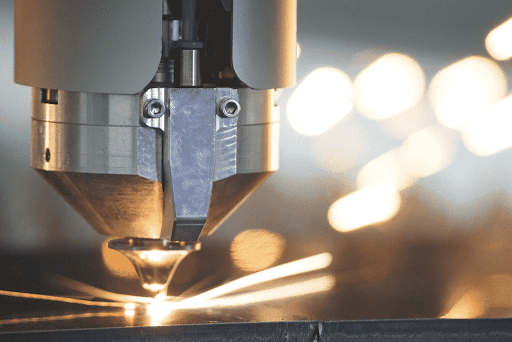
- Cutting Head: The cutting head focuses the laser beam onto the material, allowing precise cuts to be made.
- Assist Gas: An assist gas (often nitrogen, oxygen, or compressed air) is used to blow away molten material and cool the workpiece.
- CNC Control: A CNC system precisely directs the movement of the cutting head by the digital design input (G-code or CAD files) to the machine.
What are the Materials that a Fiber Laser Machine Can Cut?
A fiber laser cutting machine is known as a versatile and powerful tool that has acquired good popularity for its capability to cut through a wide range of substances with efficiency and precision. One of its primary resilience lies in its capability to cut through various metals, such as stainless steel, steel, copper, brass, aluminium, and even more specialized alloys like tool steels or nickel alloys. The focused energy of the fiber laser beam enables quick melting and evaporation of metal surfaces, which results in clean and precise cuts.
Beyond metals, fiber lasers are well-suited for working with other materials like plastics which include acrylic, polycarbonate, ABS, and PETG. This ability extends to textiles and fabrics, where fiber laser cutting machines can develop intricate patterns and designs in materials ranging from delicate fabrics to powerful leather. Fiber lasers are also being used in cutting ceramics and fiber-reinforced composites in industries like automotive and aerospace.
Types of Fiber Laser Cutting Machines?
1. Low-Power Fiber Lasers: Normally utilized for cutting thin substances such as metals, sheet metal, and plastics. They are typically utilized in industries like electronics, signage, and jewelry making.
2. Medium Power Fiber Lasers: Eligible for operating on a wider range of materials and thicknesses, comprising metals and alloys of medium thickness. They find applications in aerospace and automotive industries.
3. High-Power Fiber Lasers: Specifically designed for heavy-duty cutting of thick metals and are generally utilized in industries needing high throughputs, such as shipbuilding and heavy machinery.
Key Benefits of Fiber Laser Cutting Machines
1. Precision and Accuracy: Fiber laser cutting machines are known for their precision. A laser beam can be focused into a small point, allowing for extremely fine cuts even in thin materials.
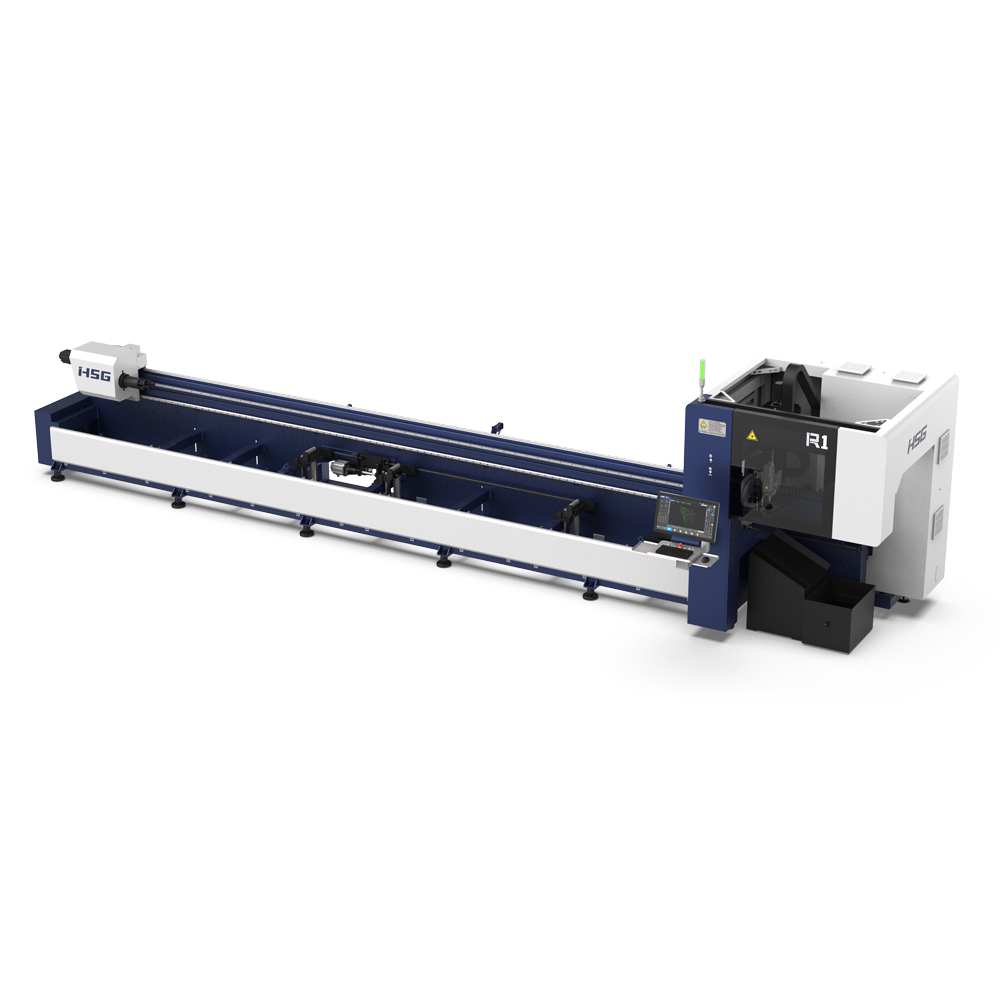
2. Higher Speed and Efficiency: Fiber laser cutting machines operate much faster than their CO2 counterparts. They can cut intricate designs in a fraction of the time, which significantly boosts productivity.
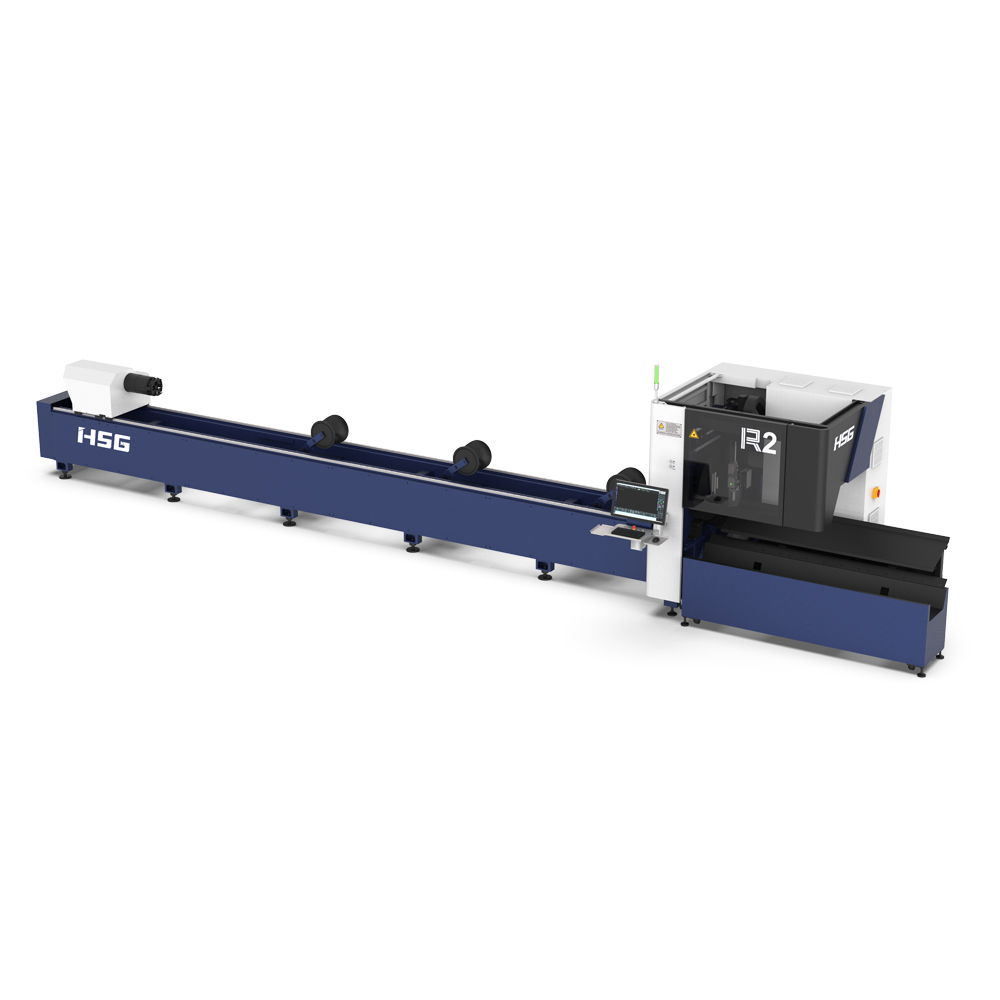
3. Cost-Effective Operations: They have lower operational costs due to their reduced energy consumption and high cutting speeds lead to quicker turnaround times.
4. Minimal Maintenance: Fiber laser cutting machines require significantly less maintenance than other laser types as they do not have mirrors or lenses that need regular cleaning.
5. Environmental Sustainability: With a lower energy consumption compared to CO2 lasers, fiber lasers are more environmentally friendly.
Disadvantages of Fiber Laser Cutting
- When compared to CO2 laser cutters, fiber laser cutting machines do not deliver a smooth finish as a result.
- Fibre laser cutting machines that are of low power do not result in good quality cutting when it comes to processing thicker metals in comparison to CO2 laser cutters.
- Fibre laser cutting machines and their parts are too expensive, which makes them less affordable.
Factors to Consider When Choosing a Fiber Laser Cutting Machine
1. Power Output: Measured in watts. Low (500-1000W) for thin sheets, Medium (2000-3000W) for versatile metal cutting, and High (4000W+) for heavy-duty industrial use.
2. Cutting Speed: Evaluate the machine's performance across different materials and thicknesses to ensure it aligns with production timelines.
3. Automation Features: Look for material handling systems, advanced CNC controls, and real-time monitoring to enhance productivity.
4. Machine Size: Bed size should match your largest material sheets, and the footprint must fit your workshop layout.
5. Maintenance and Operating Costs: Factor in long-term servicing and energy efficiency.
6. Brand Reputation and Support: Choose a supplier with a proven track record, availability of spare parts, and strong warranty support.
7. Budget and ROI: Balance upfront costs with expected return on investment regarding longevity and precision.
Maintenance and Care of Fiber Laser Cutting Machines
Regular maintenance is crucial for longevity:
- Lens Cleaning: Keep the lens clean for optimal focus.
- Gas Pressure Checks: Ensure the assist gas is at correct flow rates.
- Cooling System: Regularly check to prevent overheating.
- Software Updates: Keep software up-to-date for access to new features.
Difference Between Fiber Laser Cutting Machine and CO2 Laser Cutting Machine
Wavelength: Fibre laser produces a shorter wavelength, leading to better absorption and cutting speed.
Mechanisms: Fiber lasers use crystalline solids (ytterbium, etc.) and transport fibers, while CO2 lasers use a gas mixture (CO2, helium, nitrogen).
Efficiency: Fiber lasers process operations quickly with no warm-up time, unlike CO2 lasers which require warm-up time.
Material: Fiber lasers are ideal for sheet metals; CO2 lasers are often preferred for very thick plate cutting.
Why Choose Laser Technologies for Your Fiber Laser Cutting Machine?
1. Custom Solutions for Every Industry: Laser Technologies provides tailored solutions. For example, Naman Industries received an ideal machine dispatch the next day to meet high-stakes project requirements.
2. World-Class After-Sales Support: A dedicated team offers maintenance, troubleshooting, and training to ensure you get the most out of your equipment.
3. Cost-Effective Solutions: Laser Technologies ensures competitive pricing. For instance, Praveen Weld found a top-of-the-line Germany-based Alpha Laser within their specific budget through Laser Technologies.
Conclusion
Fiber laser cutting machines or CNC fiber laser cutting machines are a cornerstone of modern manufacturing, offering unmatched precision, speed, and efficiency. Whether you’re cutting tubes, sheets, or custom components, fiber lasers provide the accuracy and flexibility that today’s industries demand. Laser Technologies offers exceptional after-sales support and commitment to quality. Invest in the future of manufacturing today.
Tags: Cutting, Buying guide