Fiber Laser Cutting: Myths and Misconceptions You Need to Know
Summary: Fiber laser cutting has transformed the manufacturing industry, offering precision and efficiency that other cutting technologies often cannot match. Despite its popularity, many myths and misconceptions persist, potentially causing businesses to overlook this highly effective technology. Myths and Misconceptions About Fiber Laser Cutting Fiber Laser Cutting is Too Expensive: While the initial cos
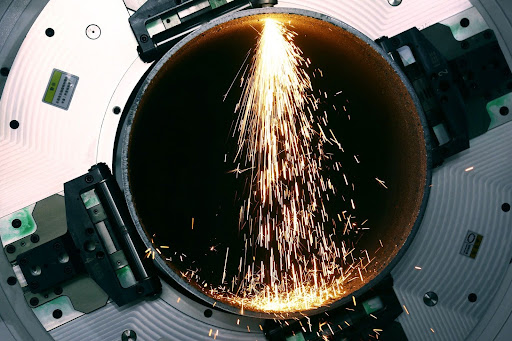
Fiber laser cutting has transformed the manufacturing industry, offering precision and efficiency that other cutting technologies often cannot match. Despite its popularity, many myths and misconceptions persist, potentially causing businesses to overlook this highly effective technology.
Myths and Misconceptions About Fiber Laser Cutting
- Fiber Laser Cutting is Too Expensive: While the initial cost may be high, Fiber lasers reduce long-term costs due to energy efficiency, low maintenance, and reduced material waste.
- Fiber Laser Cutting is Only Suitable for Thick Materials: Modern Fiber lasers can cut both thin and thick materials with high precision, from aluminum sheets to steel plates.
- Fiber Laser Cutting Produces Low-Quality Edges: Contemporary Fiber lasers provide clean, smooth edges with minimal post-processing required.
- Fiber Laser Cutting is Slow: Advanced Fiber lasers are optimized for high-speed cutting, especially for thin materials, enhancing productivity.
- Fiber Laser Cutting is Dangerous to Operate: Modern Fiber lasers include enclosed systems, automatic shut-offs, and protective barriers, ensuring safe operation when proper protocols are followed.
- Fiber Laser Cutting Can Only Cut Metals: Fiber lasers can cut metals, plastics, wood, ceramics, and fabrics, making them versatile across industries.
- Fiber Lasers Have a Short Lifespan: Fiber lasers are durable and long-lasting with proper maintenance.
- Fiber Laser Cutting is Difficult to Learn: User-friendly interfaces allow operators of all skill levels to efficiently use Fiber laser machines.
- Fiber Laser Cutting Wastes Material: High precision and minimal kerf reduce material waste significantly.
- Fiber Laser Cutting Consumes a Lot of Power: Fiber lasers are energy-efficient, consuming less power than CO2 lasers and other cutting methods.
Advantages of Fiber Laser Cutting Over Other Methods
- Energy Efficiency: Consumes less power than older laser types, plasma, or waterjet cutting.
- Low Maintenance Costs: Fewer moving parts and simpler upkeep reduce downtime and repair expenses.
- Minimal Material Waste: High-precision cuts and minimal kerf optimize material usage.
- Enhanced Safety Features: Enclosed systems and automatic shut-offs protect operators.
- Faster Cutting Speeds: High-speed operation, especially for thin materials, can triple productivity compared to traditional CO2 lasers.
Conclusion
Fiber laser cutting is a safe, efficient, and versatile technology that provides high precision, minimal waste, and enhanced productivity. Despite persistent myths, Fiber lasers remain a reliable solution for diverse industries, from manufacturing to aerospace and automotive.
FAQs
- Is Fiber laser cutting suitable for small businesses? Yes, Fiber lasers come in various sizes and price points suitable for small businesses.
- How does Fiber laser cutting compare to traditional methods? It offers higher precision, faster speeds, and reduced material waste compared to mechanical cutting.
- Can Fiber laser cutting be used in automotive industries? Absolutely, it is widely used for precise and intricate automotive parts.
- How can I ensure safety when operating a Fiber laser cutting machine? Follow manufacturer guidelines, use protective gear, and ensure safety features are active.
Tags: Cutting, Cost, Maintenance