How to Maintain a Fiber Laser Cutting Machine for Optimal Performance
Summary: Introduction When you invest in a fibre laser cutting machine, it's essential to ensure its proper maintenance to maximise its lifespan and keep it performing at its best. Regular maintenance not only improves the machine's efficiency but also reduces downtime and repair costs. To ensure the longevity and optimal performance of your fibre laser cutting machine, a few simple measures must be taken.
Introduction
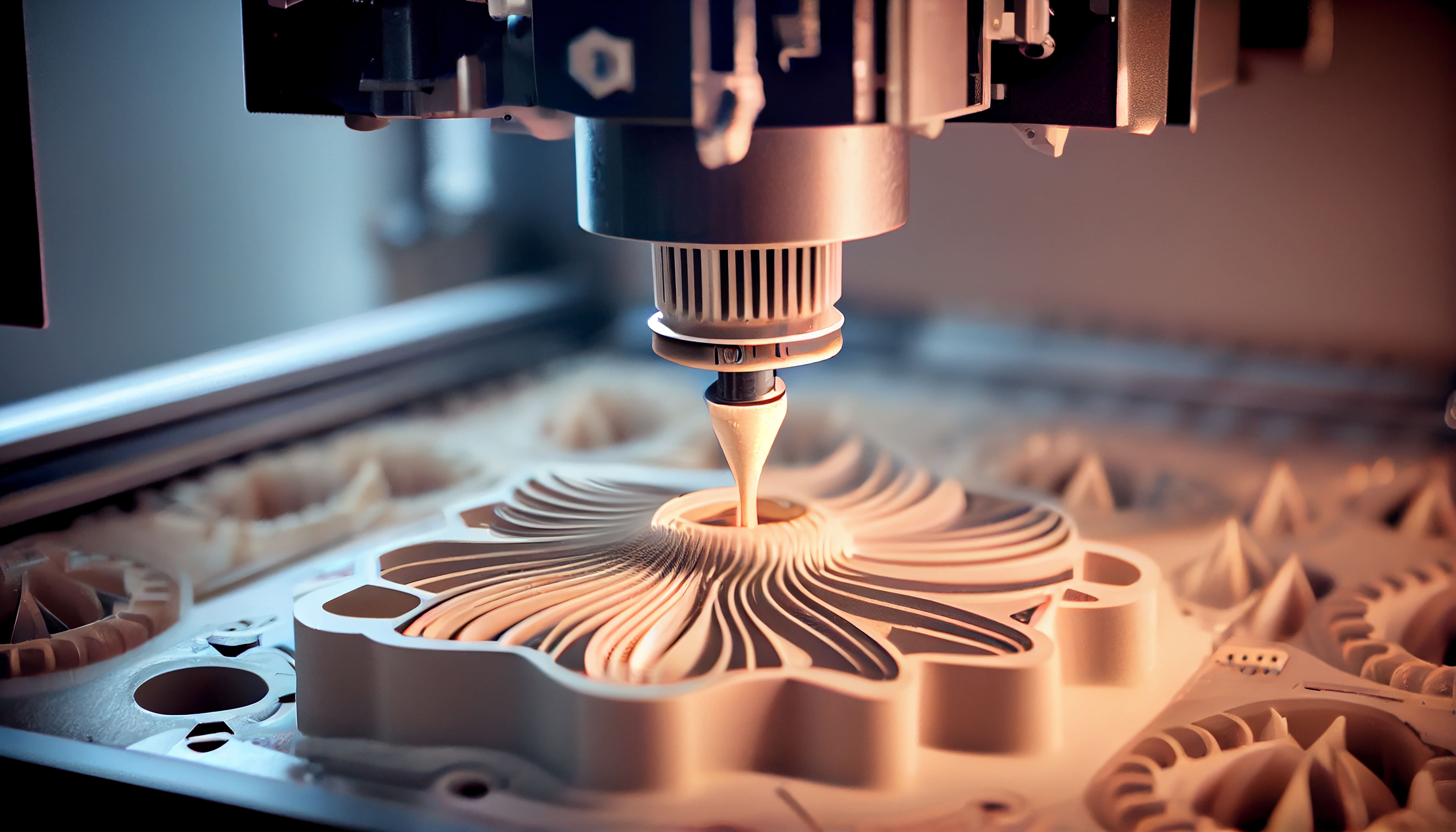
When you invest in a fibre laser cutting machine, it's essential to ensure its proper maintenance to maximise its lifespan and keep it performing at its best. Regular maintenance not only improves the machine's efficiency but also reduces downtime and repair costs. To ensure the longevity and optimal performance of your fibre laser cutting machine, a few simple measures must be taken. Perform daily cleaning of the lens, nozzles, and work area to prevent debris buildup. Regularly lubricate the moving parts to reduce friction and ensure smooth operation. Conduct alignment checks for the laser beam and mirrors to maintain precise cutting results.
Inspect and replace consumables such as nozzles and protective lenses when necessary. Monitor and maintain the cooling system to prevent overheating. Keep the machine's software up-to-date for access to the latest features and improvements.
What is a Laser Cutting Machine?
Before delving into maintenance, let's first understand what a fiber laser cutting machine is. A laser cutting machine uses a high-powered laser beam to cut, engrave, or mark various materials such as metals, plastics, and wood. Fibre laser cutting machines are renowned for their speed, precision, and versatility, making them a popular choice in various industries like manufacturing, automotive, aerospace, and more.
Working Principles of Fibre Laser Cutting Machines
Fiber laser cutting machines operate on the principle of stimulated emission, wherein light energy is amplified and focused to cut through materials. The working principle can be summarised in the following steps:
1. Laser Generation: A seed laser produces a low-power laser beam.
2. Amplification: The beam is amplified as it passes through a fiber optic cable with rare-earth elements like erbium, ytterbium, or neodymium.
3. Beam Focusing: The amplified laser beam is precisely focused on the material to be cut using a lens.
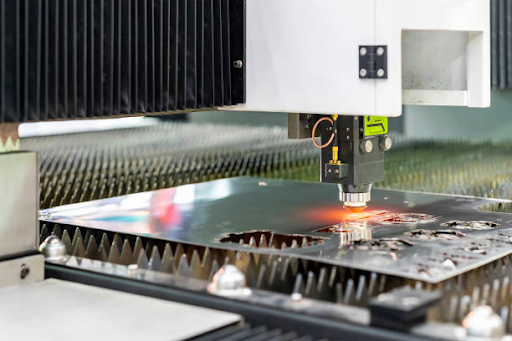
4. Material Cutting: The intense energy of the focused laser beam rapidly heats up and vaporizes the material, resulting in a clean and precise cut.
Tips to Choose the Best Fiber-Cutting Machine
Investing in the right fiber laser cutting machine is the first step towards ensuring easy maintenance. Here are some essential tips to consider when choosing the best machine for your needs:
1. Cutting Requirements: Evaluate the types of materials and their thicknesses you'll be working with. This assessment will help you determine the appropriate settings and maintenance tasks required.
2. Machine Quality: Invest in a high-quality machine from a reputable manufacturer. A well-built machine will require less frequent maintenance and repairs.
3. After-Sales Support: Choose a manufacturer that offers comprehensive after-sales support, including technical assistance and maintenance services.
4. Versatility: A machine that can handle a wide range of materials may require different maintenance approaches based on the specific tasks it performs.
5. Automation Features: Automated systems can enhance efficiency and reduce the potential for human error during maintenance tasks.
6. Cost-Effectiveness: Regularly inspect and replace consumables, such as nozzles and lenses, to maintain cutting precision and avoid costly mistakes.
7. Training and Support: Invest in training programs for your team to ensure they understand the machine's maintenance needs and can perform routine tasks correctly.
8. Future Expansion: Plan for possible upgrades and maintenance adjustments to accommodate increased usage as your business grows.
Maintenance Checklist for Fibre Laser Cutting Machines
Follow this comprehensive checklist to ensure proper maintenance:
Daily Inspection
- Check for any signs of damage or wear on the laser nozzle, lens, and protective covers.
- Verify the machine's cleanliness and remove any dust, debris, or metal shavings.
- Check and refill the assist gas, such as nitrogen or oxygen, as needed.
Weekly Maintenance
- Inspect mechanical components, including rails, bearings, and drive systems. Lubricate if required.
- Calibrate the machine to ensure cutting accuracy.
- Clean or replace the water chiller filters to prevent overheating.
Monthly Maintenance
- Conduct a thorough inspection of the laser resonator.
- Check and align the laser beam delivery system.
- Inspect and clean the machine's ventilation system.
Quarterly & Yearly Maintenance
- Examine electrical connections and clean dust collector filters (Quarterly).
- Schedule a professional technician for a comprehensive inspection (Yearly).
- Replace worn-out parts as advised by the manufacturer (Yearly).
Benefits of Fibre Laser Cutting Machines
1. High Precision: Unmatched precision for intricate cuts with minimal tolerances.
2. Versatility in Materials: Can cut metals (stainless steel, brass, copper) and non-metals (acrylic, wood).
3. Fast-Cutting Speed: Significantly reduces production time and increases overall efficiency.
4. No Contact Cutting: Minimal risk of material contamination or damage.
5. Minimal Waste Generation: High precision leads to cost savings and environmental benefits.
6. Low Energy Consumption: More energy-efficient compared to other laser types.
7. Low Maintenance: Simple design with fewer moving parts results in reduced downtime.
Key Takeaways
1. Invest in a High-Quality Fibre Laser Cutting Machine: Superior craftsmanship ensures superior performance and reliability.
2. Regular Maintenance: The Key to Longevity: Consistent care extends the machine's lifespan up to 8–15 years.
3. Stay Updated with Software Upgrades: Prioritize updates to access advanced functionalities and industry trends.
Proper maintenance is vital for ensuring the optimal performance and longevity of your fiber laser cutting machine. Don't overlook maintenance; it is the key to unlocking the full potential of your equipment and ensuring precise, efficient results for years to come.
Tags: Cutting, Cost, Maintenance