Laser Cutting Machines in India: The Technology Behind Products You Already Make, Buy, or Use
Summary: Introduction Every fabrication business reaches a point where the same question comes up: How do we get cleaner cuts, faster output, and better fitment without increasing rework? Traditional methods have done the job for years. Punching and manual cutting all have their place. But as designs get tighter and orders become more customised, these methods start slowing things down—not because they fai
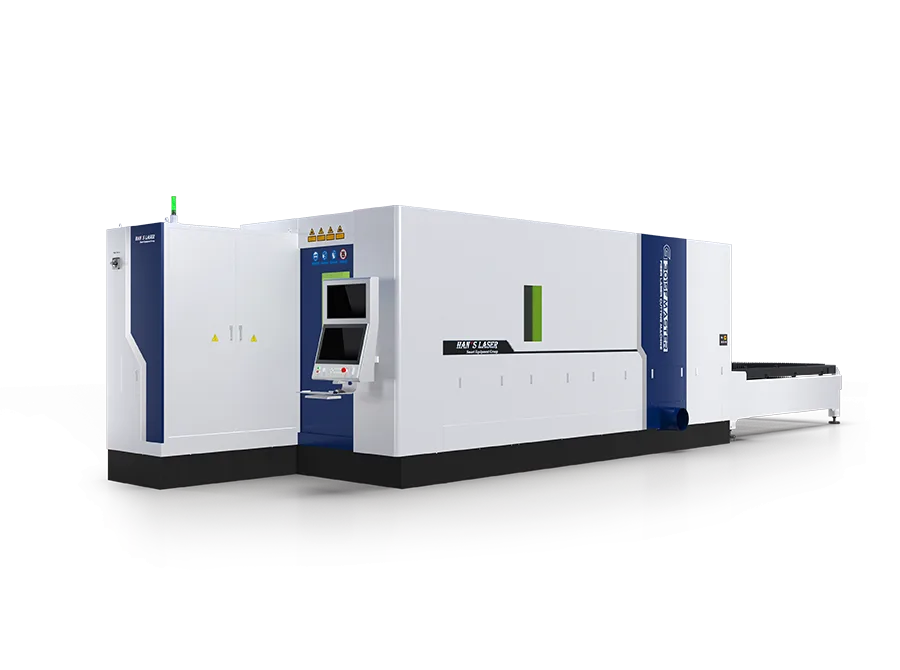
Introduction
Every fabrication business reaches a point where the same question comes up: How do we get cleaner cuts, faster output, and better fitment without increasing rework?
Traditional methods have done the job for years. Punching and manual cutting all have their place. But as designs get tighter and orders become more customised, these methods start slowing things down—not because they fail, but because expectations have changed.
Across India, laser cutting machines are stepping in to handle this shift. From EV battery trays and control panels to architectural panels and electrical components, laser-cut parts are already part of what businesses make, sell, and install every day.
This blog explains where laser cutting machines fit in, the problems they solve, and how to choose the right setup for your application.
Why Indian Workshops Are Moving Toward Laser Cutting
Indian manufacturing is becoming more demanding. Buyers want better finish, faster dispatch, tighter fitment, and small-batch flexibility. At the same time, fabrication businesses are handling more customised orders than before.
India’s metal fabrication market is expected to grow to USD 8.51 billion in 2026 and reach USD 11.56 billion by 2031, at a CAGR of 6.32% during 2026 to 2031. This growth is being pushed by infrastructure, automotive, construction, and industrial manufacturing demand.
A laser cutting machine CNC setup helps Indian workshops handle this shift because digital files guide the cutting path. That means fewer manual marking errors, better repeatability, and cleaner sheet utilisation.
Key gains include:
- Cleaner edges with less grinding
- Faster custom profile changes
- Better hole accuracy
- Lower sheet wastage
- Repeatable batch production
Automotive: EV Battery Trays, Brackets, and Support Plates
Automotive suppliers live with tight tolerances. A bracket hole placed even slightly off can affect fitment in the next assembly stage. This is why laser cutting machines are becoming more relevant for Indian Tier 1, Tier 2, and Tier 3 vendors.
India’s auto component trade is expected to reach USD 80 billion by 2026. Along with this, the rise of EV manufacturing is increasing demand for battery trays, mounting brackets, support plates, reinforcement plates, and other precision sheet metal parts across the automotive supply chain.
Laser cutting machines are widely used for these components because they support accurate profiles, cleaner edges, and repeatable hole placement across batches. Traditional punching works well for repeated large-volume parts, but it depends on tooling. Plasma cutting can handle thicker materials, but edge finishing often takes extra time. Manual cutting adds variation and increases fitment inconsistencies.
- Value Proposition: For auto suppliers, the value is simple: cleaner profiles, faster drawing-based production, and better repeatability.
- Machine Connection: Automotive brackets and EV sheet parts are best suited to a fiber laser cutting machine.
Sheet Metal Fabrication: Control Panels, Enclosures, and Cabinets
Sheet metal fabrication is where laser cutting machines earn daily value. Indian fabricators making electrical panels, machine guards, cabinets, lift panels, HVAC parts, and kiosks often deal with different cutouts, vents, hinges, slots, and cable entry points.
A laser cutting machine metal sheet setup helps because every job can follow a CAD file. This is especially useful when one client needs 30 customised panels, and another needs 300 repeat units.
| Fabrication Job | Older Method Issue | Laser Cutting Value |
|---|---|---|
| Electrical panels | Punch tools limit custom slot changes | Faster profile updates |
| Machine cabinets | Manual marking causes a mismatch | Better repeatability |
| HVAC parts | Burrs increase finishing time | Cleaner edges |
| Custom enclosures | Small batches become costly | Flexible production |
A laser cutting machine CNC system also supports mixed orders. The operator can shift between jobs with better control, instead of depending on repeated manual marking.
• Machine connection: Control panels, cabinets, and enclosure parts are best suited to a fiber laser cutting machine.
Aerospace: Precision Parts Where Guesswork Has No Place
Aerospace work rewards accuracy. Thin brackets, ducts, covers, test fixtures, and support components need controlled cutting quality. Here, a small error can affect assembly, inspection, and supplier approval.
According to Deloitte, India’s defence budget for FY 2026 to 2027 touched USD 88 billion, showing a 15.2% rise over the previous year. This signals deeper activity across aerospace, defence, and precision manufacturing supply chains.
For aerospace vendors, laser cutting machines help reduce variation in thin precision parts. Milling may be accurate, but it can be slower for profile cutting. Mechanical processes may add stress, distortion, or extra finishing. A laser cutting machine metal setup supports aluminium, stainless steel, and precision sheet profiles where repeatability matters.
• Machine connection: Aerospace precision sheet parts are best suited to a fiber laser cutting machine.
Agricultural Equipment: Tough Parts for Indian Fields
Indian agricultural equipment faces dust, vibration, uneven land, long working hours, and fast seasonal demand. Seed drill plates, harvester brackets, tractor guards, blade holders, support plates, and frame parts need strength and consistency.
A laser cutting machine metal sheet setup helps equipment makers cut cleaner holes, slots, and profiles. That improves fitment during welding and bolting. For pipe-based implements, tube cutting also reduces angled cutting errors.
Older methods often create:
- Rough edges that need grinding
- Hole mismatch during assembly
- Slower custom attachment production
- Higher rejection in repeat batches
- Extra labour before welding
For MSME manufacturers, this matters because farm equipment often needs regional changes based on crop, soil, and implement type.
• Machine connection: Agricultural plates need a fiber laser cutting machine, while tubular implements need a tube laser cutting machine.
Architectural Metalwork: Jaali Panels, Gates, Railings, and Facades
Indian commercial buildings, restaurants, offices, villas, and showrooms now use more detailed metalwork. Decorative jaali panels, balcony screens, gates, staircase panels, partitions, and facade elements all need visual consistency.
This is where laser cutting machines add strong value. A detailed pattern can be cut directly from a digital file. A laser cutting machine metal sheet setup helps contractors repeat the same pattern across multiple panels with better accuracy.
Older methods struggle when:
- Curves are too fine
- Patterns repeat across panels
- Premium finishing is needed
- Site measurements change late
- Hand cutting creates uneven edges
For architects and contractors, the final look matters. A premium metal screen must look sharp across every panel, especially after powder coating or polishing.
• Machine connection: Decorative screens, gates, and facade panels are best suited to a fiber laser cutting machine.
Signage and Advertising: Acrylic Letters, Metal Logos, and Retail Displays
Signage is judged instantly. A chipped acrylic edge, uneven stainless-steel logo, or rough display panel can make the entire brand space look weak.
India’s digital signage system market is estimated at USD 1.29 billion in 2026 and expected to reach USD 2.62 billion by 2033, at a CAGR of 10.6% during 2026 to 2033. This points to rising demand for quality retail branding, display systems, and sign fabrication.
For signage businesses, laser cutting machines help create acrylic letters, MDF display props, stainless-steel logos, backlit panels, and retail branding elements. A CO2 laser works well for acrylic, MDF, wood, leather, and similar materials. For metal logos, fiber technology is a better fit. Traditional routers may chip acrylic, while manual cutting can create uneven curves.
• Machine connection: Acrylic and MDF signage need a CO2 laser cutting machine, while metal logos need a fiber laser cutting machine.
Electrical Steel and Electrolamination Sheets: The Specialist Use Case
Some materials don’t allow second chances. Electrical steel and electrolamination sheets are one of them. Used in motors, generators, and transformers, these parts demand precise profiles and consistent geometry. Even a small variation can impact performance.
This is where typical cutting methods struggle. Laser Technologies builds laser cutting machines specifically for these applications, helping manufacturers achieve clean edges, stable cuts, and repeatable output across batches. At this level, the decision goes beyond the machine—it comes down to choosing a laser cutting machine company that understands material behaviour, production needs, and long-term reliability.
How to Choose the Right Laser Cutting Machine
The best way to choose laser cutting machines is to start with the part you make every week.
Use this simple guide:
- For mild steel, stainless steel, aluminium, and brass, choose fiber laser cutting.
- For acrylic, MDF, wood, and display materials, choose CO2 laser cutting.
- For tubes, frames, railings, and pipe structures, choose tube laser cutting.
- For repeat production, choose a laser cutting machine CNC system.
- For electrical lamination work, evaluate edge quality and material behaviour carefully.
- For long-term support, choose a laser cutting machine company with application guidance and service capability.
A good laser cutting machine company will ask about material, thickness, production volume, tolerance, assist gas, floor space, operator skill, and maintenance before suggesting a machine.
Final Thoughts
Laser cutting machines are already behind the parts you manufacture, assemble, and deliver every day. The real shift isn’t about adopting new technology. It’s about choosing the right setup for the parts you produce week after week.
Laser Technologies works closely with Indian manufacturers to match machines with real production needs, materials, and output goals. If cleaner cuts, faster turnaround, and consistent accuracy are part of your next move, it starts with the right machine selection. Connect with our team and find the setup that fits your shop floor.
FAQs
Which industries use laser cutting machines in India?
Automotive, sheet metal fabrication, aerospace, agricultural equipment, architectural metalwork, signage, advertising, and electrical component manufacturing use laser cutting machines for cleaner and more repeatable cutting.
What is the best option for metal sheet cutting?
For a laser cutting machine metal sheet application, fiber laser cutting is usually preferred because it supports stainless steel, mild steel, aluminium, and other industrial metals.
Why does CNC matter in laser cutting?
A laser cutting machine CNC setup controls the cutting path through digital files. It improves repeatability, reduces manual marking errors, and speeds up job changes.
Can one machine cut metal and acrylic?
Metal and acrylic usually need different technologies. A laser cutting machine metal application usually needs fiber technology, while acrylic, MDF, and wood signage usually need CO2 laser technology.
How should buyers compare suppliers?
Buyers should compare support, application knowledge, machine suitability, installation guidance, service capability, and operator training. A reliable laser cutting machine company helps match the machine to real production needs.
Tags: Cutting, Automation, Buying guide