Latest Innovations in Fiber Laser Cutting Technology—Power
Summary: The manufacturing industry has experienced numerous technological advancements, but few have been as transformative as advanced laser-cutting solutions. The latest innovations in fiber laser cutting technology revolutionise the industry with unparalleled precision, speed, and versatility. Recent Innovations in Fiber Laser Cutting Advancements in Laser Power Source: Modern fiber lasers are more pow
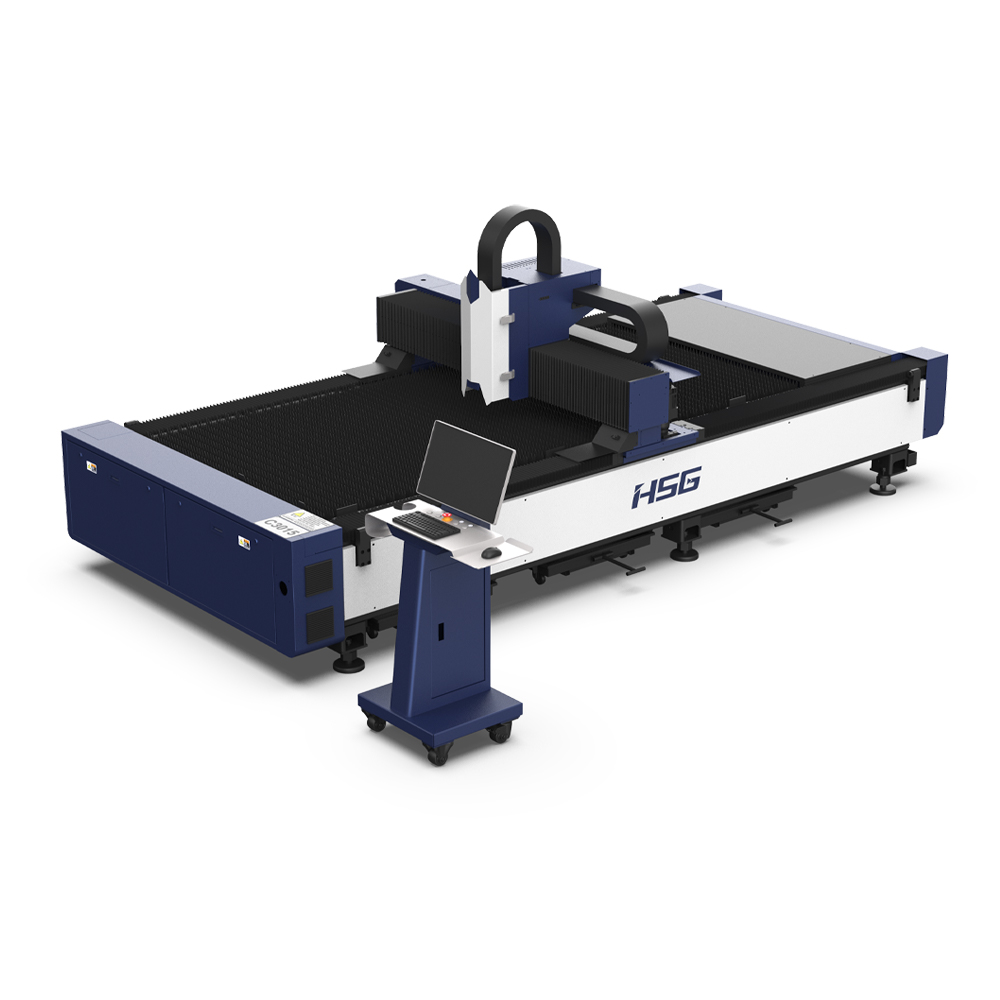
The manufacturing industry has experienced numerous technological advancements, but few have been as transformative as advanced laser-cutting solutions. The latest innovations in fiber laser cutting technology revolutionise the industry with unparalleled precision, speed, and versatility.
Recent Innovations in Fiber Laser Cutting
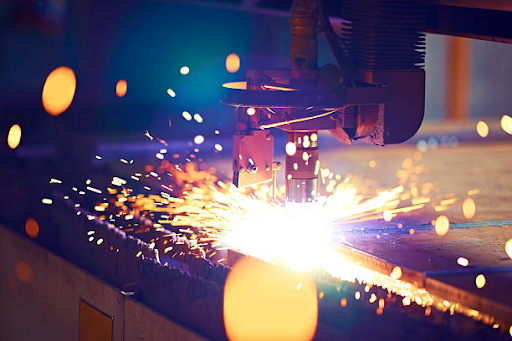
- Advancements in Laser Power Source: Modern fiber lasers are more powerful and efficient due to diode technology and refined fiber optics, offering higher beam quality.
- Improvements in Beam Quality: Beam shaping and modulation achieve consistent results even with challenging materials.
Benefits of Fiber Laser Cutting Technology
Fiber laser cutting offers precision, speed, versatility, and energy efficiency compared to traditional methods.
- Precision and Accuracy: Fine laser beam for intricate designs with minimal waste.
- Speed and Efficiency: High cutting speeds reduce production times.
- Material Versatility: Cuts metals, plastics, composites with ease.
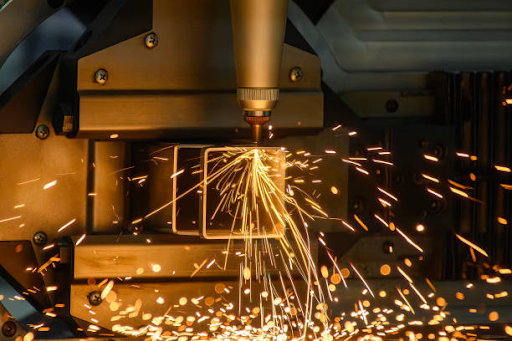
New Materials and Applications
Innovations enable fiber lasers to cut previously unsuitable materials like certain alloys and composites, expanding into medical devices and consumer electronics.
Automation and Integration
- AI and Machine Learning: Predict issues and adjust parameters in real-time.
- Software Integration: Cypcut, LightBurn, SC1000, SigmaNEST optimize nesting and tool paths.
- CAD/CAM Systems: Seamless design-to-production workflows.
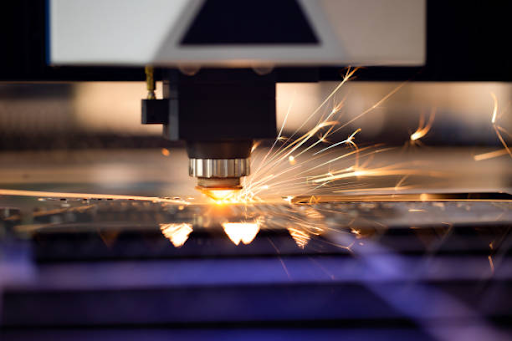
Environmental Impact
- Energy Efficiency: Low energy consumption reduces operational costs and carbon footprint.
- Reduced Waste: Precision minimizes material waste for sustainable production.
Safety Enhancements
- Advanced Safety Systems: Automatic shutdowns and protective enclosures.
- Operator Training: Emphasis on proper safety protocols and AI-enhanced safety measures.
Challenges and Limitations
- Initial Costs: High equipment cost requires careful ROI analysis.
- Skilled Operators: Need for trained personnel, addressed by improved training programs.
Future of Fiber Laser Cutting
Fiber lasers will become more efficient with applications in renewable energy and biotechnology. Ongoing R&D focuses on beam quality and manufacturing integration.
Comparison with Other Technologies
- Vs CO2 Lasers: Faster speeds, lower maintenance, better energy efficiency.
- Vs Plasma Cutting: Superior precision for thinner materials and complex designs.
Cost Analysis
High upfront costs offset by long-term savings in production time, material waste, and energy. Cost-effective for small to medium enterprises with automation.
Conclusion
Fiber laser cutting innovations offer manufacturers a powerful tool for precision across diverse materials. Laser Technologies provides advanced solutions to integrate this technology into your operations.
FAQs
1. Main advantages of fiber laser cutting?
Precision, speed, material versatility, and energy efficiency.
2. Fiber vs CO2 laser?
Fiber lasers are faster, require less maintenance, more energy-efficient.
3. Can cut all materials?
Wide range including metals and plastics; some may need specific configurations.
4. Safety measures?
Automatic shutdowns, protective enclosures, operator training.
5. Future outlook?
More efficient, expanded materials, better manufacturing integration.
Tags: Cutting