The Pros and Cons of Laser Cutting Compared to Other Cutting Technologies
Summary: When it comes to cutting acrylic materials, various technologies are available, each with its advantages and disadvantages. Laser cutting has gained significant popularity as a versatile and precise method for working with acrylic. Let's explore the advantages and disadvantages of laser cutting in comparison to other cutting technologies for acrylic. By understanding the unique features of laser c
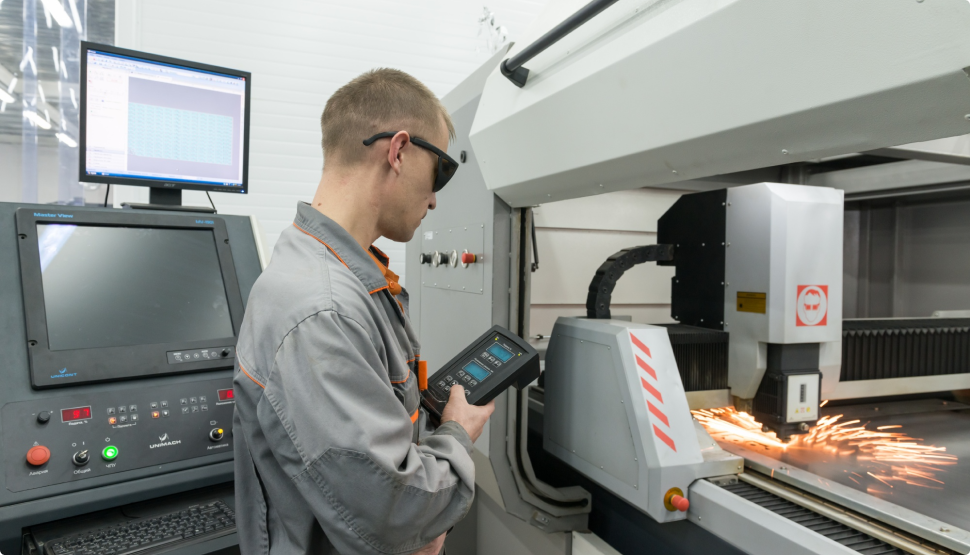
When it comes to cutting acrylic materials, various technologies are available, each with its advantages and disadvantages. Laser cutting has gained significant popularity as a versatile and precise method for working with acrylic.
Let's explore the advantages and disadvantages of laser cutting in comparison to other cutting technologies for acrylic. By understanding the unique features of laser cutting and its benefits, we can choose the most suitable cutting method.
Laser cutting has experienced a steady rise in popularity as a cutting technology, and its relevance to acrylic materials cannot be overstated. Acrylic, with its versatility and wide range of applications, demands a cutting method that can deliver precision and intricate designs. Laser cutting has emerged as the ideal choice due to its ability to provide clean, precise cuts in acrylic. With the growing demand for acrylic-based products and the need for high-quality cutting results, laser cutting has become increasingly popular in various industries, including signage, architecture, arts and crafts, and manufacturing. Its versatility and ability to handle different acrylic thicknesses and shapes make laser cutting an ideal option for achieving intricate designs and exceptional precision. As we delve into the advantages and disadvantages of laser cutting compared to other technologies for acrylic, it becomes clear why laser cutting has gained such prominence and remains a sought-after method in the acrylic cutting landscape.
Laser Cutting: A Versatile Technology
Laser cutting offers numerous advantages for acrylic materials. Firstly, it provides exceptional precision, allowing for clean and accurate cuts. The highly focused laser beam ensures precise control over the cutting path, resulting in intricate designs and sharp corners. Secondly, laser cutting is highly versatile, capable of handling various acrylic thicknesses and shapes. It can navigate complex curves and patterns effortlessly, making it suitable for a wide range of applications.
Moreover, laser cutting is a non-contact process, eliminating the risk of material deformation or damage. The absence of physical contact also reduces the chances of contamination, ensuring a clean and uncontaminated finish. Furthermore, laser cutting minimizes material waste due to its narrow cutting width. The precise cuts and efficient nesting of shapes optimize material utilization, making it a cost-effective choice.
Laser cutting is a technology that utilizes a highly focused laser beam to cut through materials with precision and accuracy. The principle of operation involves the following steps:
1. Generation of Laser Beam
Laser cutting machines use a laser source, typically a CO2 (carbon dioxide) or fiber laser, to generate a concentrated beam of light. The laser beam is produced by exciting the laser medium, either a gas or a fiber, through the application of energy.
2. Beam Focusing
The laser beam passes through a series of mirrors and lenses, which focus the beam into a small, intense spot. Then focusing lenses help achieve a narrow beam width, ensuring high energy density at the cutting point.
3. Material Interaction
When the focused laser beam interacts with the surface of the acrylic material, it heats the material to a high temperature. The laser energy is absorbed by the acrylic, causing the material to melt, vaporize, or burn.
4. Assist Gas
To enhance the cutting process, an assist gas, such as oxygen or nitrogen, is often used. The assist gas is directed through a nozzle located near the laser beam's focal point. It helps to blow away the molten or vaporized material from the cutting path, creating a clean cut.
5. Computer Numerical Control (CNC) System
Laser cutting machines are controlled by a CNC system, which precisely guides the laser beam along the desired cutting path. The CNC system receives instructions from computer software, allowing for precise control over the cutting speed, power, and path.
6. Cutting Process
As the laser beam moves along the programmed path, it melts or vaporizes the acrylic material, creating a narrow cut. The cutting process is characterized by high precision, minimal material waste, and the ability to create intricate designs and shapes.
Advantages of Laser Cutting for Acrylic
1. Precision and Accuracy
Laser cutting stands out for its exceptional precision and accuracy, leading to clean and intricate cuts in acrylic materials. The focused laser beam allows for a narrow cutting width, enabling precise control over the cutting path. This precision ensures that the laser follows the intended design with minimal deviation. Moreover, laser-cutting technology offers the ability to achieve intricate and complex designs, including sharp corners, fine details, and intricate patterns.
2. Versatility
Laser cutting technology is highly versatile and can effectively handle various acrylic thicknesses and shapes. The power and speed settings of the laser can be modified to optimize the cutting process for thicker or thinner acrylic sheets. Whether it's straight lines, curves, circles, or intricate designs, laser cutting provides the precision and versatility needed to produce accurate cuts.
3. Non-Contact Process
One of the significant advantages of laser cutting is its non-contact nature, which eliminates the risk of material deformation or damage. This method ensures that the material remains undisturbed and maintains its original shape and integrity during the cutting process.
4. Minimal Material Waste
Laser cutting minimizes material waste due to its narrow cutting width and precise cuts. The focused laser beam creates a thin cutting kerf, resulting in minimal material loss. This narrow cutting width allows for efficient nesting of shapes, maximizing the usage of the acrylic sheet.
Other Cutting Technologies for Acrylic
Advantages of Traditional Mechanical Cutting
1. Mechanical cutting methods offer cost-effectiveness and simplicity in cutting acrylic materials. These methods, such as sawing or routing, are often more accessible and require less initial investment.
2. They utilize conventional tools that are readily available and familiar to many fabricators.
3. Mechanical cutting methods excel in handling thicker acrylic materials efficiently.
Disadvantages of Traditional Mechanical Cutting
1. Mechanical cutting methods have limitations when it comes to intricate designs and precision.
2. The cutting tools used in mechanical cutting may not be able to navigate sharp corners or intricate curves with the same precision as a laser beam.
3. Furthermore, the physical contact involved in mechanical cutting poses a risk of material deformation or damage.
4. The pressure exerted by the cutting tool can cause the acrylic to chip, crack, or warp, especially in delicate or thinner sections.
Advantages of Waterjet Cutting
1. Waterjet cutting is known for its versatility in handling various materials, including acrylic.
2. Waterjet machines employ a high-pressure stream of water mixed with an abrasive substance to cut through materials.
3. The powerful waterjet stream can effortlessly penetrate the acrylic, regardless of its thickness, ensuring clean and precise cuts.
Disadvantages of Waterjet Cutting
1. While waterjet cutting offers versatility and effectiveness, it has limitations when achieving intricate designs and fine details in acrylic materials.
2. The high-pressure water stream used in waterjet cutting can lead to material delamination or separation of layers in acrylic, especially in thicker sheets.
3. Additionally, the force of the water stream can cause edge roughness, requiring additional finishing processes.
Essential Factors While Deciding on a Traditional or Acrylic Method
Intricacy: If the project involves intricate designs, sharp corners, or fine details, laser cutting is the optimal choice. For simple shapes or thicker sheets, traditional mechanical methods may be sufficient.
Project Budget: Laser cutting may have higher initial costs but offers faster speeds and minimal waste. Mechanical methods may be cheaper upfront but result in higher waste and longer production times.
Physical Characteristics: Consider thickness and fragility. Laser cutting is suitable for various thicknesses, while waterjet cutting excels at cutting through very thick materials.
Final Word
Overall, laser cutting for acrylic combines precision, versatility, a non-contact process, and minimal material waste. These advantages make it an ideal technology for achieving high-quality, intricate, and cost-effective cuts in acrylic materials. Understanding the project's unique needs is essential for making an informed decision.
Tags: Cutting, Automation