What Is a Laser Cutting Machine and How Does It Actually Work?
Summary: Introduction Your sheet metal hits the shop floor on a Monday. By Tuesday, cutting starts. Parts look fine at first. Then, the edges are roughed out. Dimensions shift. Heat distortion shows up. The welding team flags fitment issues before the day ends. By Thursday, rework builds. Someone tweaks speed. Another adjusts the gas. A third changes focus. All changes go live together. Next week, output i
Introduction
Your sheet metal hits the shop floor on a Monday.
By Tuesday, cutting starts. Parts look fine at first. Then, the edges are roughed out. Dimensions shift. Heat distortion shows up. The welding team flags fitment issues before the day ends.
By Thursday, rework builds. Someone tweaks speed. Another adjusts the gas. A third changes focus. All changes go live together.
Next week, output improves slightly. But no one knows why.
This is how most fabrication units handle cutting. Adjust, observe, repeat. Limited control. Inconsistent output. No clear cause behind the results.
At scale, this starts costing real money. Material waste rises. Rejections increase. Timelines slip.
This is where laser cutting machines change the equation with focused heat, assist gas, and CNC-controlled accuracy.
What Is a Laser Cutting Machine?
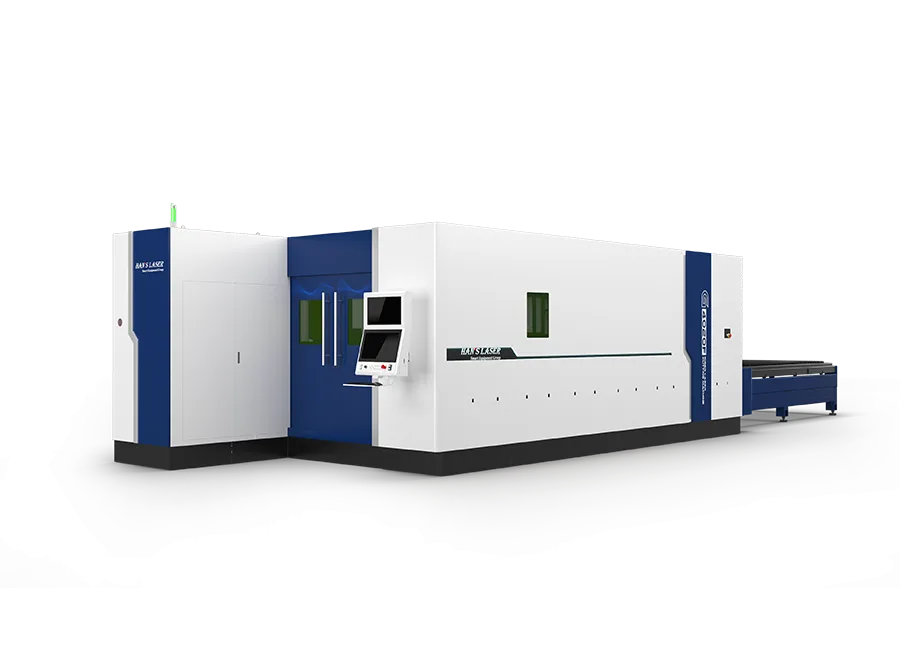
A laser cutting machine is an industrial cutting system that uses a focused laser beam, CNC motion control, and assist gas to cut materials with high accuracy. In manufacturing, laser cutting machines are commonly used for metal sheets, tubes, structural parts, electrical steel, enclosures, automotive components, and precision fabrication work.
For metal cutting, fiber laser systems are usually preferred. For non-metal materials, CO2 laser systems are commonly used. For pipes and structural sections, tube laser systems improve fitment, hole accuracy, and repeat production quality.
Why Indian Heavy Fabrication Teams Are Looking Closely at Laser Cutting Machines
Indian manufacturing is moving through a sharper production cycle. More orders, tighter tolerances, rising material costs, and shorter delivery windows have made cutting accuracy a serious business decision.
HSBC and S&P Global’s April 2026 Flash PMI data show India’s manufacturing PMI rose to 55.9, up from 53.9 in March, signalling stronger factory activity and new order growth.
The metal fabrication market also reflects this momentum. India’s metal fabrication market is estimated at USD 8.51 billion in 2026 and projected to reach USD 11.56 billion by 2031, growing at a 6.32% CAGR.
For fabrication units, this creates one practical question: can the current cutting process support accuracy, repeatability, and cost control at scale?
For many teams, laser cutting machines offer a stronger answer than manual or conventional cutting methods.
How Laser Cutting Machines Work on the Shop Floor
A laser cutting machine works through four main systems: the laser source, beam delivery system, cutting head, and CNC controller. The source generates the beam. The optics focus it. The cutting head directs it onto the material. The CNC controller moves the machine along the programmed path.
A laser cutting machine CNC setup reads a digital drawing and guides the cutting head across profiles, slots, holes, curves, and edges. This helps manufacturers repeat the same part with consistent accuracy.
Assist gas also affects cut quality. Oxygen supports faster mild steel cutting. Nitrogen gives cleaner edges for stainless steel and precision applications. Compressed air works in selected cost-sensitive jobs.
For any laser cutting machine metal application, the output depends on:
- Laser power
- Material grade
- Sheet thickness
- Focus setting
- Cutting speed
- Gas pressure
- Nozzle condition
- CNC programming accuracy
This is why buyers should look beyond machine price. The right result depends on machine capability, process knowledge, and service support.
Fiber Laser Cutting Machines: Best for Indian Metal Fabrication
Fiber laser systems are the most relevant choice for metal cutting. They are used for mild steel, stainless steel, aluminium, brass, copper, galvanised steel, and electrical steel.
For an auto-component shop in Pune, fiber laser cutting machines can produce brackets, covers, mounting plates, enclosures, and precision sheet components with repeatable accuracy. Once the drawing and cutting parameters are set, the same part can be produced again with tight dimensional control.
This matters because India’s auto-component industry is projected to reach USD 200 billion by 2030, supported by domestic demand, exports, and global supply chain shifts.
For OEM-linked suppliers, consistent cutting reduces marking errors, manual grinding, mismatch during assembly, and rejection risk.
• For deeper insights, read this: Top 7 Tips For Choosing A Fiber Laser Cutting Machine Company
CO2 Laser Cutting Machines: Best for Non-Metal Applications
CO2 laser cutting machines serve a different purpose. They are commonly used for acrylic, wood, leather, rubber, fabric, paper, packaging material, and certain plastics.
For a furniture hardware unit in Nagpur, CO2 machines can support decorative panel cutting, acrylic inserts, display units, packaging parts, and branding components. These machines are useful where edge finish and shape accuracy matter, but the material is not metal.
For heavy fabrication buyers, the key learning is simple: CO2 machines are useful, but they are rarely the main choice for metal production. If your daily work involves steel sheets, structural parts, or engineering assemblies, fiber will usually be the stronger fit. Still, CO2 remains relevant for allied manufacturing units that handle non-metal production along with fabrication support.
Tube and Pipe Laser Cutting Machines: Best for Structural Sections
Tube and pipe laser systems are built for round tubes, square tubes, rectangular tubes, channels, and structural profiles. They are used in construction equipment, automotive frames, rail parts, agricultural machinery, furniture frames, gym equipment, and heavy fabrication assemblies.
For a fabrication unit in Rajkot, tube laser cutting can reduce multiple manual steps. Marking, drilling, slotting, coping, and grinding can often be replaced by one programmed cycle.
What Tube Laser Cutting Improves
- Joint fitment
- Hole position accuracy
- Weld preparation
- Assembly speed
- Repeat part quality
- Operator dependency
- Material use
India’s steel demand is projected to grow 7.4% in 2026 and 9.2% in 2027, keeping India among the fastest-growing major steel markets globally. Better cutting systems can support this growth with cleaner fabrication workflows.
Fiber, CO2, and Tube Laser Cutting Machines Compared
| Machine Type | Best Application | Indian Scenario | Strongest Benefit |
|---|---|---|---|
| Fiber laser | Mild steel, stainless steel, aluminium, brass, copper | Auto-component shop in Pune | High-speed metal cutting with repeat accuracy |
| CO2 laser | Acrylic, wood, leather, fabric, packaging material | Furniture hardware unit in Nagpur | Clean cutting for non-metal materials |
| Tube laser | Round, square, and rectangular tubes | Fabrication unit in Rajkot | Faster structural section preparation |
| Flatbed fiber laser | Sheet and plate cutting | Heavy engineering workshop | Better metal sheet cutting output |
What a Laser Cutting Machine CNC Setup Really Adds
Many buyers focus only on power. However, CNC control decides how accurately the machine follows the drawing. A laser cutting machine CNC setup connects CAD drawings, nesting software, motion control, cutting speed, and part accuracy.
For heavy engineering teams, this creates practical value:
- Parts match digital drawings more closely
- Batch output becomes easier to repeat
- Nesting reduces material wastage
- Operators spend less time on marking
- Drawing changes can be applied faster
- Part identification becomes easier
- Production planning becomes more predictable
The CNC system also helps when a fabricator handles multiple job sizes, materials, and client drawings daily. In heavy fabrication, this matters because one wrong hole or slot can delay welding, machining, assembly, and dispatch.
How to Select the Right Laser Cutting Machine Metal Setup
Before choosing laser cutting machines, Indian buyers should study their actual production mix. The right machine depends on the work happening daily, not only future ambition.
Use this buyer checklist:
- Material: Mild steel, stainless steel, aluminium, copper, brass, electrical steel
- Thickness range: Regular thickness and maximum thickness
- Bed size: Sheet size used most often
- Tube requirement: Round, square, rectangular, channel, or mixed profiles
- Power rating: Matched with material and thickness
- Gas choice: Oxygen, nitrogen, compressed air
- Software: CAD and nesting compatibility
- Operator skill: Training requirement
- Service support: Installation, spares, response time
- Production type: Job work, batch production, OEM supply, or in-house fabrication
For a laser cutting machine metal sheet application, power and bed size are crucial. For structural production, tube handling capacity and chuck accuracy matter more.
How Laser Technologies Support Indian Manufacturing Teams
At Laser Technologies, we build precision laser cutting solutions for high-accuracy applications like electrical steel and electrolamination sheet cutting, where edge quality, dimensional control, and repeatability directly impact performance.
Our role goes beyond supplying a machine. We help manufacturers select the right laser source, CNC configuration, power range, and cutting parameters based on material type, thickness, batch size, and production goals.
What We Help You Achieve
- Electrical steel and lamination cutting with tight tolerances
- Consistent edge quality with minimal post-processing
- Stable CNC accuracy across repeat batches
- Optimised cutting parameters for material and thickness
- Lower rejection rates, better fitment, and smoother production flow
We align machine capability with real shop-floor output, so every cut supports accuracy, assembly quality, and long-term production efficiency.
Final Takeaway
Laser cutting machines are now a practical production choice for Indian fabrication, engineering, automotive, electrical, rail, construction equipment, and machinery manufacturing units.
Fiber machines suit metalwork. CO2 machines suit non-metal applications. Tube machines suit structural sections. CNC control ties accuracy, repeatability, nesting, and production planning together.
For manufacturers working with sheet metal, electrical steel, fabricated structures, or precision engineering parts, the right machine can improve cutting quality, fitment, and output consistency.
To choose the right laser cutting solution, connect with Laser Technologies today and discuss your material, thickness, accuracy, and production requirements with an application-focused team.
FAQs
What is a laser cutting machine in simple words?
A laser cutting machine uses a focused beam of light to heat, melt, or vaporise material along a programmed path. Assist gas clears the molten material and creates a clean, accurate cut.
Which laser cutting machine is best for metal?
A fiber laser cutting machine is usually preferred for metal. It works well for mild steel, stainless steel, aluminium, brass, copper, galvanised steel, and electrical steel.
What does a laser cutting machine CNC system do?
A laser cutting machine CNC system controls machine movement based on digital drawings. It helps the cutting head follow the exact path needed for accurate and repeatable output.
Can laser cutting machines cut thick metal sheets?
Yes. Laser cutting machines can cut different sheet thicknesses depending on laser power, material grade, gas type, machine configuration, and cutting parameters.
How should Indian fabrication companies choose the right machine?
They should check material type, thickness range, sheet size, tube requirement, production volume, power rating, software support, operator training, and service backup.
Why does choosing the right laser cutting machine company matter?
The right laser cutting machine company helps align machine capability with material, thickness, CNC setup, and production workflow. This supports better accuracy, lower rejection, faster training, and stable long-term performance.
Tags: Cutting, Welding, Cost